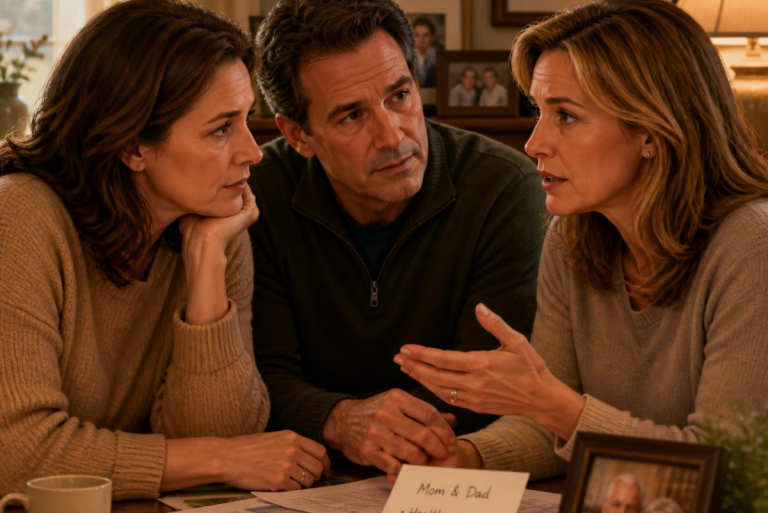

Many veteran families assume benefits will be complicated, so they delay. Delay often costs time and options. You can start the process with a simple set of questions that clarify eligibility and next steps.
First, confirm service details. What branch did your loved one serve in. What were the service dates. What was the discharge status. This information shapes which benefits paths may apply. Gather documents such as the DD 214 if possible.
Second, define daily care needs in plain terms. Does your loved one need help bathing, dressing, toileting, or walking. Do they need supervision due to memory loss. Benefits conversations move faster when you describe daily needs rather than a general diagnosis.
Third, ask who can help you file. A Veterans Service Officer can guide applications and reduce mistakes. Ask how long the process often takes in your area. Ask what medical documentation they need to demonstrate care needs.
Fourth, tie benefits to a care plan. Benefits may help with costs, yet they do not replace the need for the right care level. If safety concerns are urgent, look at care options while paperwork moves forward. Ask communities if they have experience supporting veterans and if they understand documentation requirements.
If you feel unsure, start with two calls. Call a VSO to clarify benefits and call a local advisor to clarify care options and pricing in your area. When you run both tracks at the same time, you protect safety now and plan for affordability later.