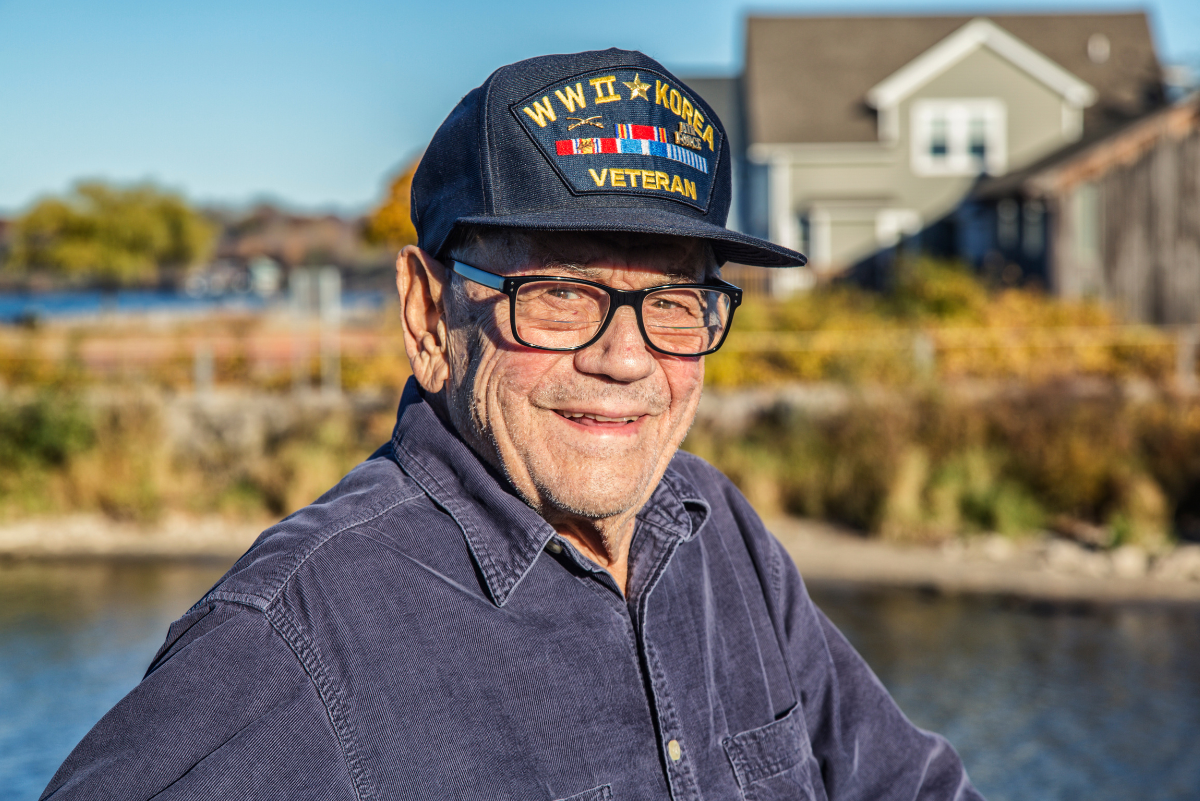
Veterans often value routine, respect, and clear communication. Communities can support those needs, yet families should ask direct questions to confirm fit. Do not assume a flag in the lobby equals veteran friendly care.
Start with daily support. Ask how staff handles medication routines, mobility support, and personal care. Ask how they respond when a resident feels anxious or agitated. Veterans may carry sleep disruption or stress responses, especially during change. Ask what training staff receives and what de escalation looks like in practice.
Ask about community culture. Does the community host veteran gatherings or peer groups. Do they recognize service days in a respectful way. Do they offer transportation to appointments and community events. Ask how they include residents who prefer quiet routines over large group activities.
Confirm care flexibility. If needs increase, can the resident stay. How do care plans change. What triggers reassessments. Ask how families receive updates and how quickly staff responds to concerns.
Ask about benefits readiness. If you plan to apply for Aid and Attendance or other support, ask if the community understands the documentation flow. Ask if they can provide the care notes often required. Ask how they structure statements and invoices for benefits documentation.
Finally, tour like a neighbor, not a guest. Watch staff interactions. Listen for tone. Look for calm routines. Ask one question that reveals truth: what do families tend to misunderstand before move in.
A local advisor can help you compare veteran fit across communities in your area and focus tours on real matches.