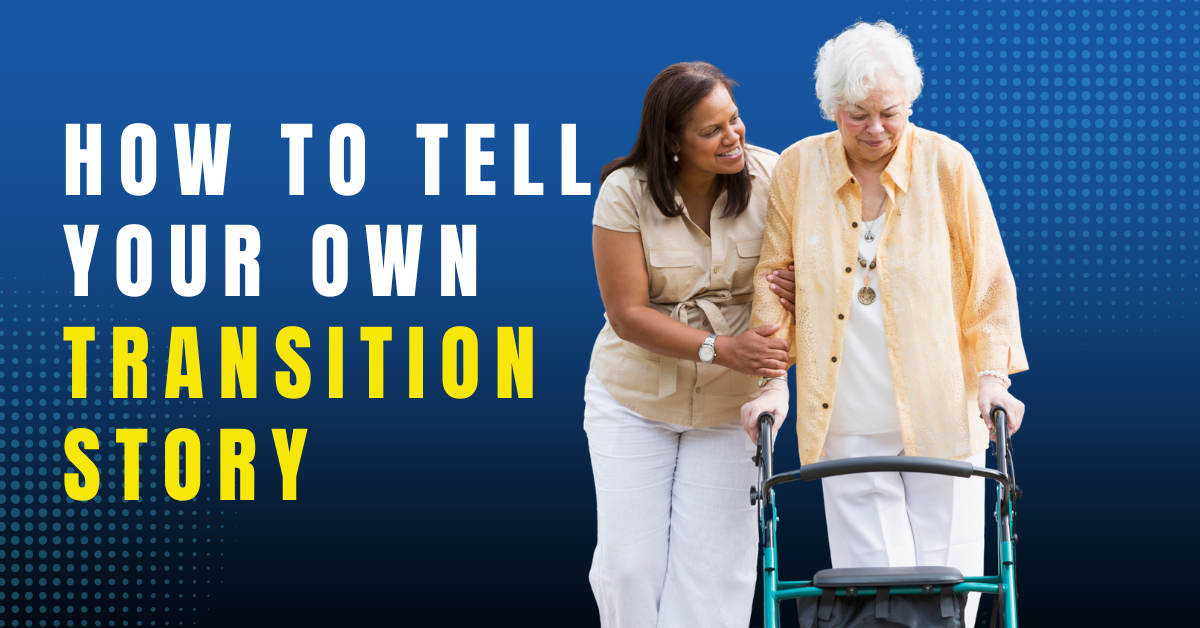
Your transition story can help other families act sooner. It can also help your family process change. A clear story focuses on facts and outcomes rather than drama. It shows what you learned and what you would do differently next time.
Start with the moment you realized support was needed. Use one specific incident. A fall. Missed medications. Unsafe driving. Isolation. A hospital stay. Specific moments make the story real and help others see patterns in their own family.
Then describe what you did first. Did you schedule an assessment. Did you tour communities. Did you try in home support. Share what steps reduced confusion. Mention what information mattered most, such as care level fit, budget clarity, or proximity to family.
Describe the choice you made and why. Keep the reasons simple. The community supported medication management. The layout reduced fall risk. The staff communicated clearly. The cost was predictable. The daily routine matched your loved one’s preferences.
Share what surprised you. Many families are surprised by how quickly routines stabilize once support is in place. Others are surprised by how emotional the first month feels. Honest surprises help others plan.
End with outcomes. What improved. Safer bathing. Better meals. More social connection. Less caregiver stress. Outcomes make the story useful.
If you share your story with your local advisor, it can help other families find a path forward. Your experience has value. It can reduce someone else’s delay.