
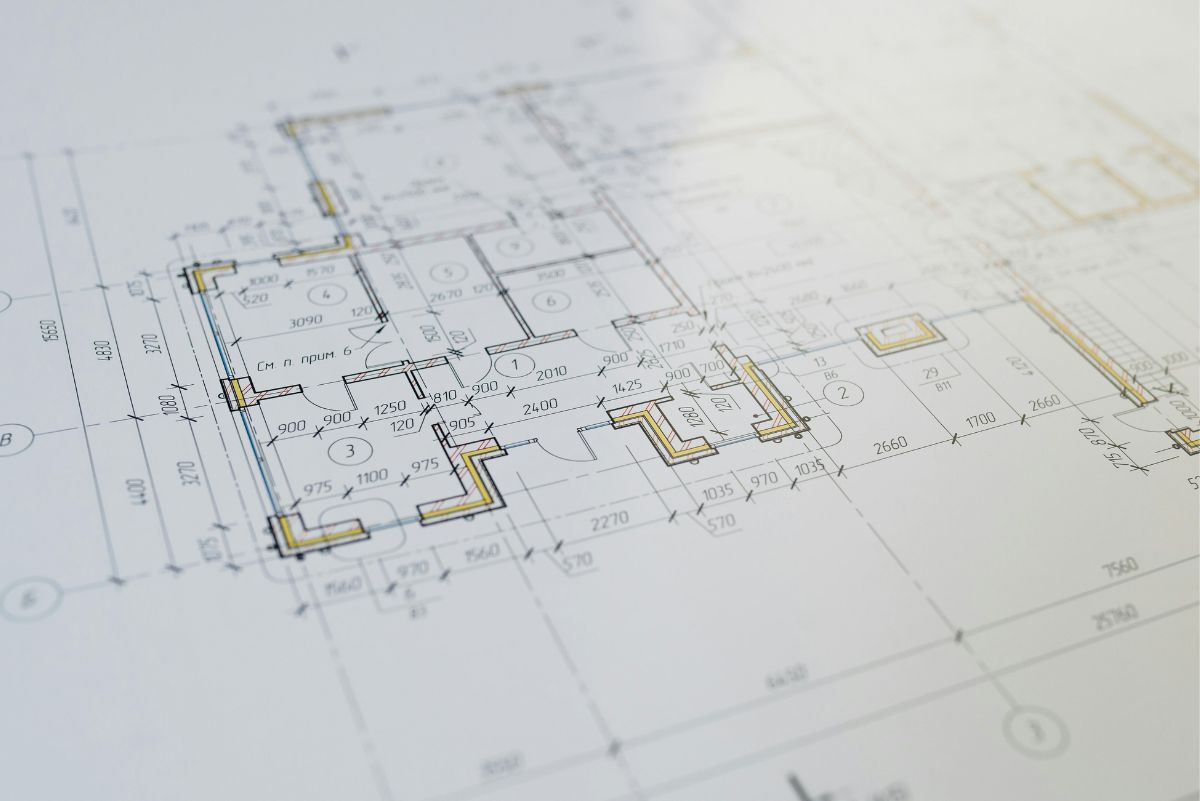
Families often focus on what looks nice. Layout decides how life works. A floor plan affects safety, privacy, stress levels, and the ease of providing care. It also affects how quickly someone can respond if help is needed.
Start with the bathroom. Ask about step in showers, grab bars, non slip flooring, and space for a walker. Ask whether the door opens outward or inward. That detail matters during a fall. Ask where the call button is and whether it is reachable from the toilet and shower.
Next, look at the distance between bed and bathroom. Long routes increase risk at night. Poor lighting increases risk too. Ask about night lights, motion lighting, and how staff supports nighttime needs. Walk the route and imagine it when you are tired, moving slowly, or using a mobility aid.
Pay attention to doors, thresholds, and turning space. Wheelchairs and walkers need room. Tight turns create frustration and increase fall risk. Ask what furniture fits and what the community provides. Ask what residents can bring from home.
Then evaluate the social layout. How easy is it to get to meals and activities. Does the resident have quiet options when they want less stimulation. If memory loss is present, ask how the layout supports orientation and reduces wandering risk.
Finally, ask what happens if needs change. Can the resident stay in the same apartment with added help. Would they need to move to a different wing or building. How hard is that transition.
A good floor plan supports independence and reduces daily stress. A local advisor can help you shortlist communities with layouts that fit your loved one’s real needs.